
Security Tips
Every 15 seconds, a burglar breaks into a home all of those victims thought their home was pretty secured. They had locks, lights, neighbors and the occasional dog, alarm system, and/or window bars. So, how would it happen?
The depressing fact is it is actually not that hard to get into most homes. The risk of being seen breaking in is more of a deterrent than a subpar lock, and since most residential robberies happen in broad daylight, that risk is apparently not an overwhelming one. The problem is that most homes have weak points, and seasoned thieves are surprisingly good at finding them.
Alarms: It does not really stop anyone from breaking in. It does, however, make your home a less favorable target if you use it the right way.
The alarm is only an after-the-fact security measure. The thing about alarms is that the blaring happens after the fact. Somebody has already broken in. In this way, an alarm is mostly about peace of mind; if something does happen, help will be on the way quickly
Hiding your key: When you hide your house key in an obvious place, you may be reducing your inconvenience in the case that you lock yourself out or need a friend to pick up the mail when you're gone, but you're increasing the chance you'll find yourself in the much more inconvenient position of being robbed. The safest place for a spare key is with a trustworthy neighbour or two.
Lighting: When looking to make your house less of a target, one of the best fixes is lighting, both outdoor and indoor. It is partly about minimizing the appearance of vacancy inside the house (which burglars look for), and partly about shedding light on would-be intruders outside the house. Get a timer and set the lights to go on at a certain time in the morning and off at a certain time at night. That way, it will be harder to tell when you are gone, whether you are on a trip or just working late.
Outdoors, it is all about visibility. The area immediately outside your home is the first line of defence. Placed at strategic points such as entries and pathways. Any hiding spots, like clusters of trees or freestanding structures, should also be well-lit.
Motion sensors on outdoor lights are an easy and inexpensive deterrent for any possible intruders on your property at night.
LIFCO suggests that homeowners looking to burglar-proof their homes should take a three-fold approach: deter, detect, and delay.
Deter/Detect: Creating the impression that someone is always at home is a way to deter burglars. Leave your television or radio on, and install an automatic timer to some of the lights in your house to make it appear as if the house is occupied. If you leave your curtains open, be careful what is in view. Having a dog is also being a deterrent. A dog also acts effectively as a detection device. Detection is one of the best ways to keep burglaries down. A dog's bark -- not his bite -- is scary A barking dog can alert an entire block that something is awry.
Shrubs: Make sure that your shrubs are trimmed to allow a good view of your home from the street. Burglars, after all, are looking for cover, and trimmed shrubs take that away. It also does not hurt to consider planting thorny shrubs beneath your windows to make it an even less attractive place to hide.
- Placing alarm-company signs, neighbourhood-watch decals or dog notices on your property tells burglars to steer clear of your home. Having these signs as a deterrent is only good if you can back them up
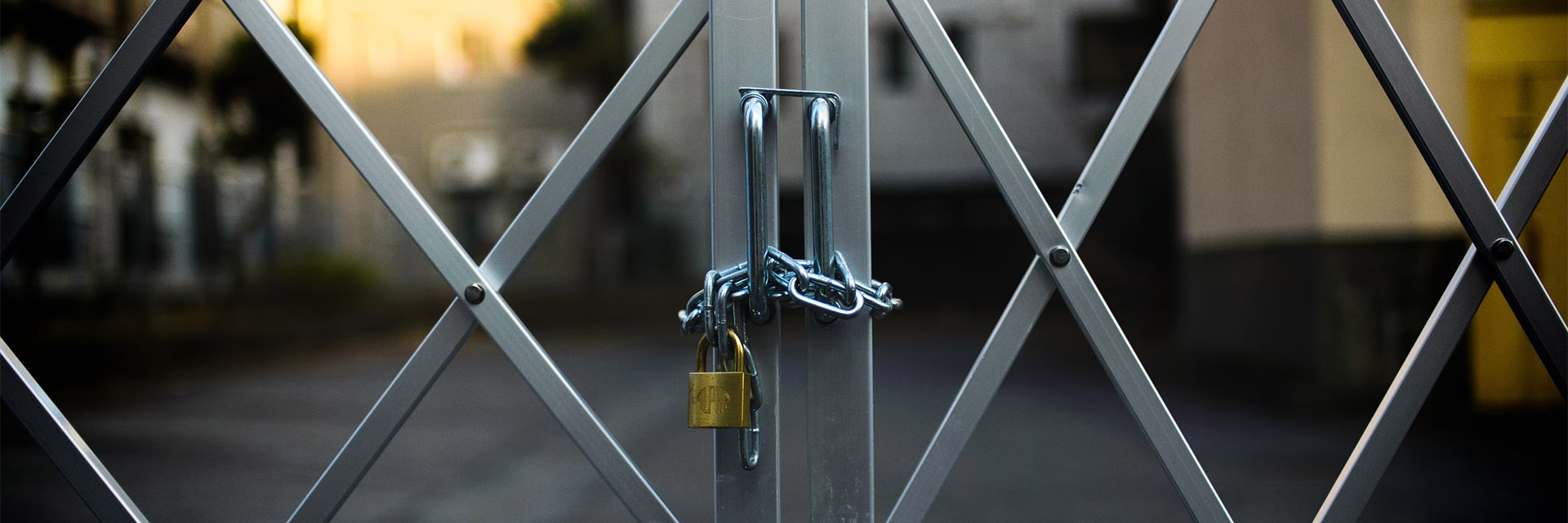
- Delaying criminals is another important aspect of keeping burglars out. The longer it takes to get into your home, the more likely a burglar is to give up and move on. LIFCO suggests that a four-minute delay will protect your house in most cases.
Your garage: Treat any door to your garage like an external door, which means making sure it has a good dead bolt on it. Keep your car locked with the alarm on, even in your garage. Make sure garage lights can be turned on from inside the house so you never have to walk into a dark garage
Your yard: A solid privacy fence can provide a burglar with cover to break into your home. Consider palisade fence.
Cameras/Intercom: Consider an intercom system featuring motion-sensor video that turns on when someone approaches your house. If you live on your own, consider implementing a camera-bell so you can see who is approaching.
- Install cameras that operate off a motion sensor to keep from wasting valuable hard-drive space for your video files.
- If you travel a lot, surveillance cameras around your property — with viewing access through the Internet — will allow you to keep an eye on your home while you're gone.
Going on Holiday?
- Set lights on timers or light sensors to turn on and off in the evening. A TV or radio can also be set on a timer to add to the illusion that someone is at home.
- Suspend newspaper delivery so papers do not pile up in front of your house.
- Ask a neighbour to keep an eye on your house and pick up any mail, fliers, newspapers, packages, etc., left outside, and shovel your walkways if it snows.
- If you use a garden service, make sure they come to your house while you're away. An overgrown lawn is a good sign that no one is home.
- Leave a car in your driveway or ask a neighbour to park there.
- Leave shades, curtains, and blinds in their normal positions. Covered windows during the daytime indicate an empty house.
Your local security company should keep you informed regarding any suspicious activity in our suburbs. If you come home and something looks questionable — a slit screen, a broken window, an open door — don't go inside! Call your local security company. If you have had a bad experience already with a crook — learn from it — don't just think bad luck won't strike twice!
One of the simplest ways to do home security is to think about how you would break into your own home if you forgot your keys (e.g., the unlocked window, the loose door handle, the hide-a-key etc.) Make a list, and fix everything on it.
Should you require any further information or advise on the security in and around your home please contact your resident security company for an obligation free assessment.
LIFCO is a non-governmental, non-profit organisation with an exco and different committee members serving entirely voluntarily with no pay and for the benefit of the whole community of Strubensvalley/Little falls, whether they are a homeowner or a tenant.
We rely on community engagement and financial contributions from residents and businesses alike. A community working together to donate time, professional skills or financially helps in making our suburbs great!
068 442 0326
Contact Helene for any general enquiries.
info@lifco.co.za
For all general enquiries.
facebook.com/littlestrubens
Connect with us on Facebook for updates, news and events.